what to put in portfolio for advertising beginning
Whether y'all're a full-time graphic designer or merely someone who's interested in dabbling in design as a side project in her gratis time, it's critical you lot create a sleek graphic blueprint portfolio to showcase your piece of work to potential clients. A graphic design portfolio is typically the only element a client needs to see when choosing a graphic designer -- which means a portfolio is vital for proving your skill as a designer. Additionally, a graphic blueprint portfolio, much like a resume, provides necessary contact information, and any case studies you intendance to include from past employers. Simply put, a graphic design portfolio tin establish your legitimacy as a designer worth hiring. With all that said, you're probably thinking -- gee, thanks, no pressure or anything. Fortunately, nosotros've cultivated a listing of 12 impressive graphic blueprint portfolios, followed by instructions on how you lot can create your own. Keep reading to become all the tips you need to curate the perfect infinite to showcase your work. 1. Heather Shaw 2. MDZ Design 3. Nicolas Paries iv. Gleb Kuznetsov five. Chris Tammar 6. Stefanie Brueckler seven. Mingfei Yang 8. Bit Kidd nine. Kate Moross 10. Brook Perryman 11. Tobias van Schneider 12. Ling K Lindsay Burke, a HubSpot Product Designer, emphasizes the importance of quality over quantity when it comes to curating a graphic design portfolio. She says, "I recommend selecting your strongest projects and making these the primary focus of your portfolio website." Ideally, your portfolio volition feature your sharpest, most impressive 10-20 designs -- undoubtedly, someone pursuing your portfolio won't have the fourth dimension to expect at more, and if your first couple projects are impressive plenty, they shouldn't need to. However, it'south equally disquisitional you lot show potential clients your versatility. If you've dabbled in logo design as well equally video animation, it'due south proficient to include both kinds of projects in your portfolio. Investing in a quality website with a custom domain URL will pay-off in the long run by demonstrating your professionalism to potential clients. Having your own website helps you organize your portfolio to conform all your business needs -- for case, perchance yous'll include 'Projects', 'About Me', and 'Contact Me' sections, so visitors can peruse your content and then contact you lot without always leaving the site. Accept a look at seven of the All-time Website Builders for 2019 if you need help choosing the all-time platform for your portfolio. Lindsay Burke told me it's incredibly valuable to write out a case study to complement whatsoever website visuals -- "Through a written case report, your site visitors can go a sense of your projection's background, the problem you lot were aiming to solve through pattern, and the process you took to arrive at a final deliverable. A lot of time, effort and iteration goes into blueprint solutions, and a written example study volition help communicate your unique process." To cultivate a strong case study, consider including the background of the projection, the problem, the process, your deliverable, and any next steps. In the process section of your case study, Shush suggests including enquiry, experience mapping, persona development, wire-framing, sketching, usability testing, and iteration. For further inspiration, cheque out ane of the case studies Lindsay Shush uses for her personal website. Additionally, it will print hereafter clients if you can include recommendations from prior employers, which allows you to demonstrate a level of professionalism. As the examples to a higher place indicate, each portfolio is drastically different depending on the artist's unique style. Someone checking out Tobias van Schneider's portfolio will expect something vastly different than someone looking at Ling Thou's site. Ensure your portfolio -- including layout, groundwork, and website championship -- reflect who you lot are as a designer. Each designer has a unique procedure when working with clients -- and the sooner a potential client tin learn nearly your process, the ameliorate. It's important yous include context, so visitors tin can go a sense for how you handle challenges, and how your designs solve real-world bug. Plus, including a description of your creative process tin help a potential client determine whether y'all're capable of handling the scope of their project. For case, they might exist unsure of your power to handle graphic designs for mobile until they read how you single-handedly brainstormed and created the designs for some other client'south mobile site. In this case, context is critical. Amanda Chong, a HubSpot Designer, says, "side projects are a great way to demonstrate your will to take initiative and your ability to residue multiple things at once. They're also a great way to testify some of the more experimental, artistic ideas that you might not be able to show through your 24-hour interval-to-twenty-four hours piece of work." If you're but starting out, it's adequate to include side projects or non-client work and then potential customers can get a sense for your ability and style. Consider incorporating school work, a logo you designed for your aunt's company, or an internal design you lot created for your current company -- ideally, your designs will negate any concerns potential clients have over your lack of career experience. I of the easiest ways to brainstorm building your customer base is by reaching out to non-profits or local businesses in your area. Consider implementing mock-ups or sketches in advance, so you tin requite these businesses a sense for your skill and vision. Maybe y'all think a local restaurant needs a new menu logo, or want to help a gift shop with their online marketing materials. Ideally, in commutation for your services, these businesses volition offer to leave a testimonial on your portfolio. Have the time to ensure your own marketing materials are cohesive and sleek. Create a unique pattern for your website, and implement that aforementioned blueprint or logo across various materials, including your business carte and resume. A client is more likely to work with you if they tin see the type of high-quality work you're able to create for yourself. If you're still waiting for the day LuLuLemon gives you a call to redesign their website, well … why wait? Consider creating a consummate website redesign for a well-known brand to demonstrate your skills to time to come clients. This is a well-known strategy already implemented by plenty of designers -- just take a look at some of the impressive Behance mock-ups for designers like Michael Kors. Additionally, Amanda Chong told me, "If you're creating mockups for established brands to utilize as part of your portfolio, it's important to pair this with a case report or description of the procedure that helped you lot arrive at your proposed pattern. Talk virtually what you think wasn't working with the existing design, some of the constraints that you call up the designers were working with, and why yous made the decisions that y'all did." Chong added, "Mockups are neat at showing your visual design skills, but don't necessarily demonstrate your ability to work in a real-world context, and then you'll want to take the time to explain how you would take approached it in a true concern setting." If your designs are impressive enough, potential clients won't necessarily care whether you created them for a fictitious company -- and, in fact, they could be impressed with your innovativeness and creativity. Consider demonstrating your skills by putting together a creative brief for a fake company, complete with wireframes and sketches. In due time, real companies will have detect. Stick to the type of content you enjoy designing. If you lot're especially adept at creating logos, and are oft inspired by the logos used past existent brands, consider designing an alternative logo for a make you like. Just have a look at some of these inspiring potential Uber logos -- while they ultimately weren't used by Uber, they're even so skilful examples of the designers' skills. WordPress, a popular content direction organisation, allows users to develop stock themes for WP -- best of all, if your theme is approved, you tin can sell it as a premium theme for extra cash. Begin by studying WordPress's most popular themes, and considering how you can create an impressive culling. Accept a expect at WordPress's Theme Review Requirements to acquire more than. To become inspired, exercise your skills, or interact with other designers in a community and build your portfolio at the aforementioned time, y'all might consider participating in a pattern challenge. Design challenges can as well help you uncover skills you didn't know you had by forcing you to step outside your design comfort-zone. There are various daily, weekly, or monthly challenges which will send you prompts on things to blueprint -- for instance, try checking out Daily UI Blueprint Challenge. Editor's notation: This post was originally published in March 2019 and has been updated for comprehensiveness.
![Download Now: 150+ Content Creation Templates [Free Kit]](https://no-cache.hubspot.com/cta/default/53/5478fa12-4cc3-4140-ba96-bc103eeb873e.png)
Graphic pattern portfolio website examples
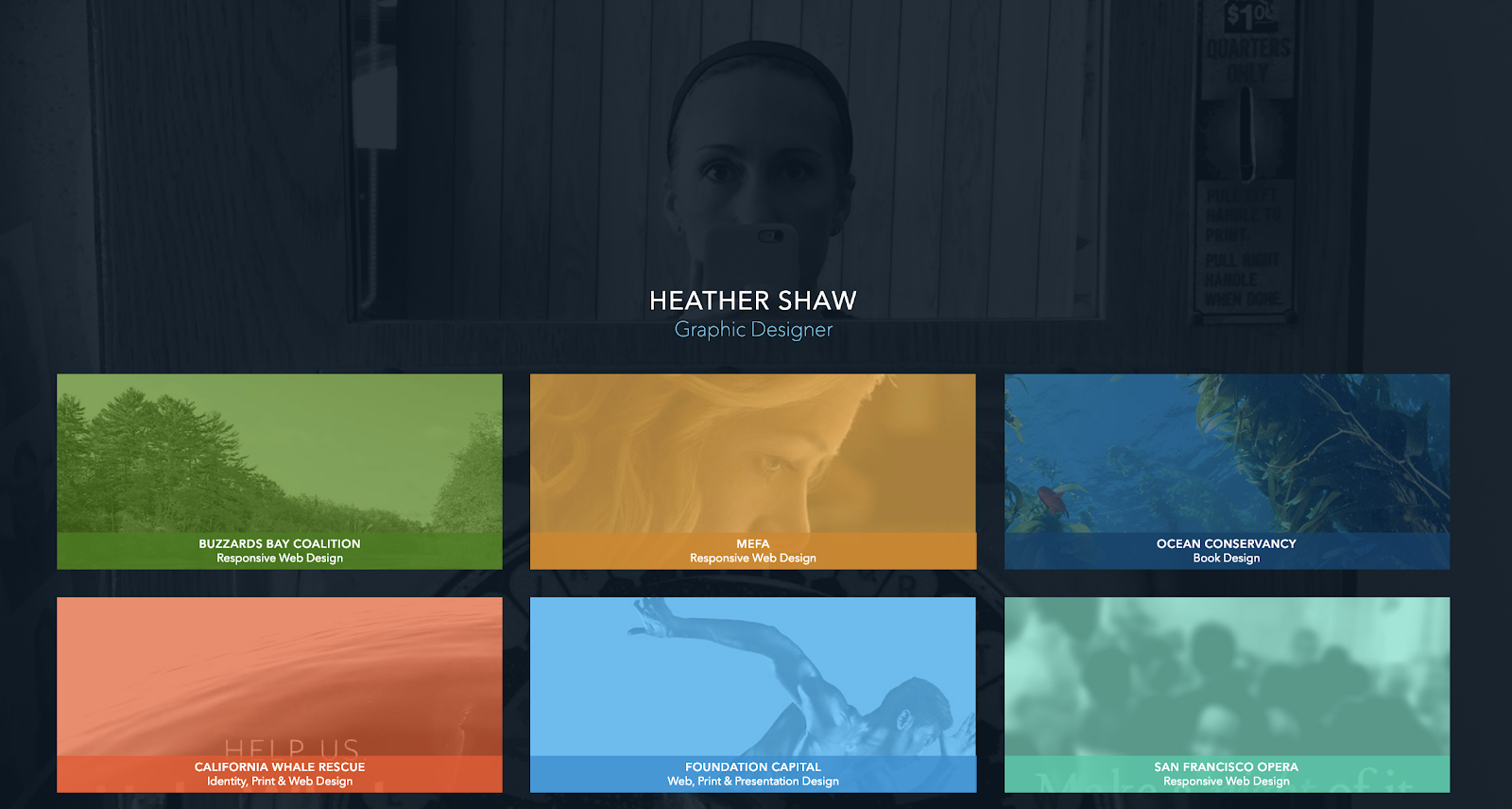
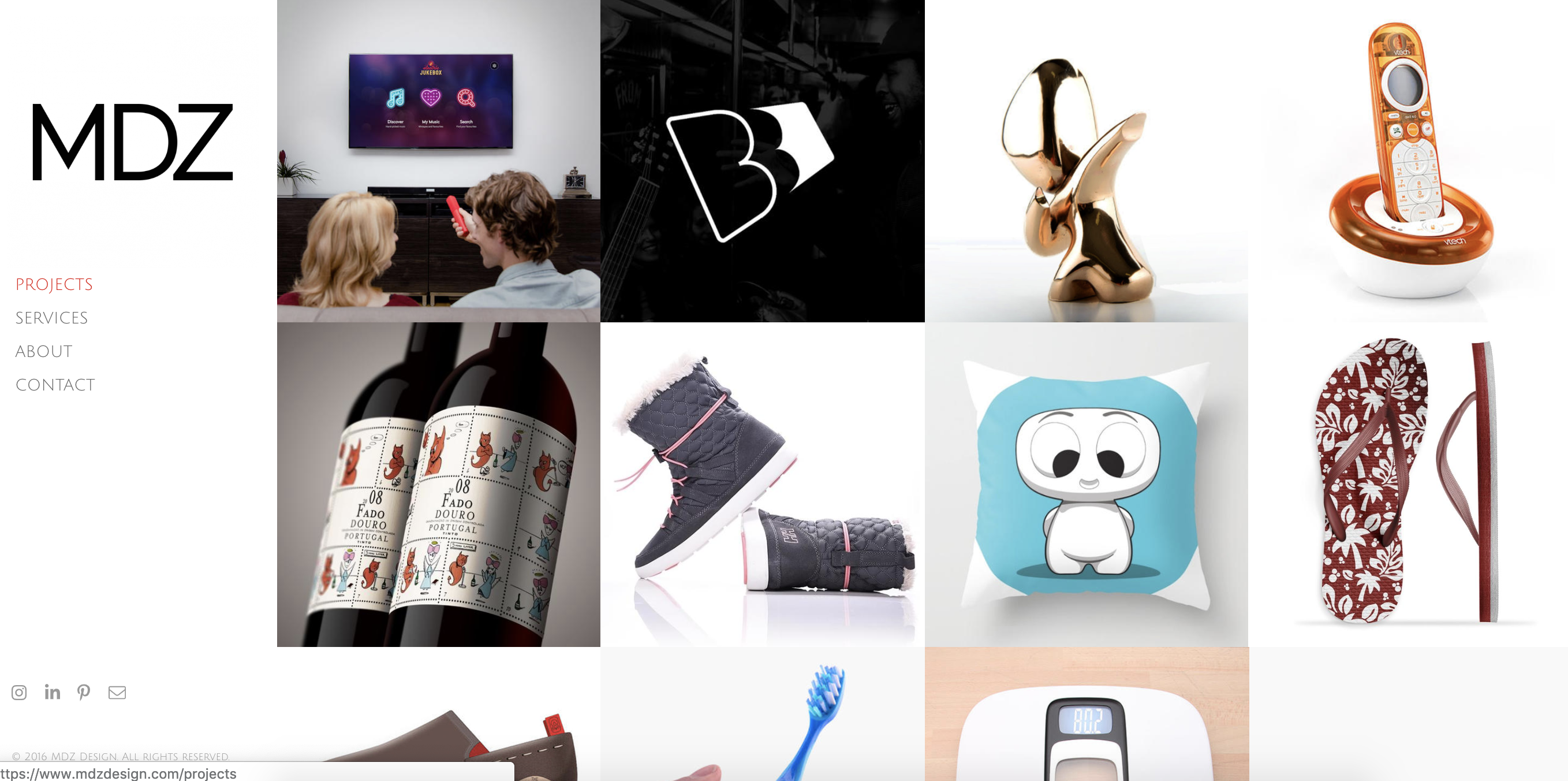
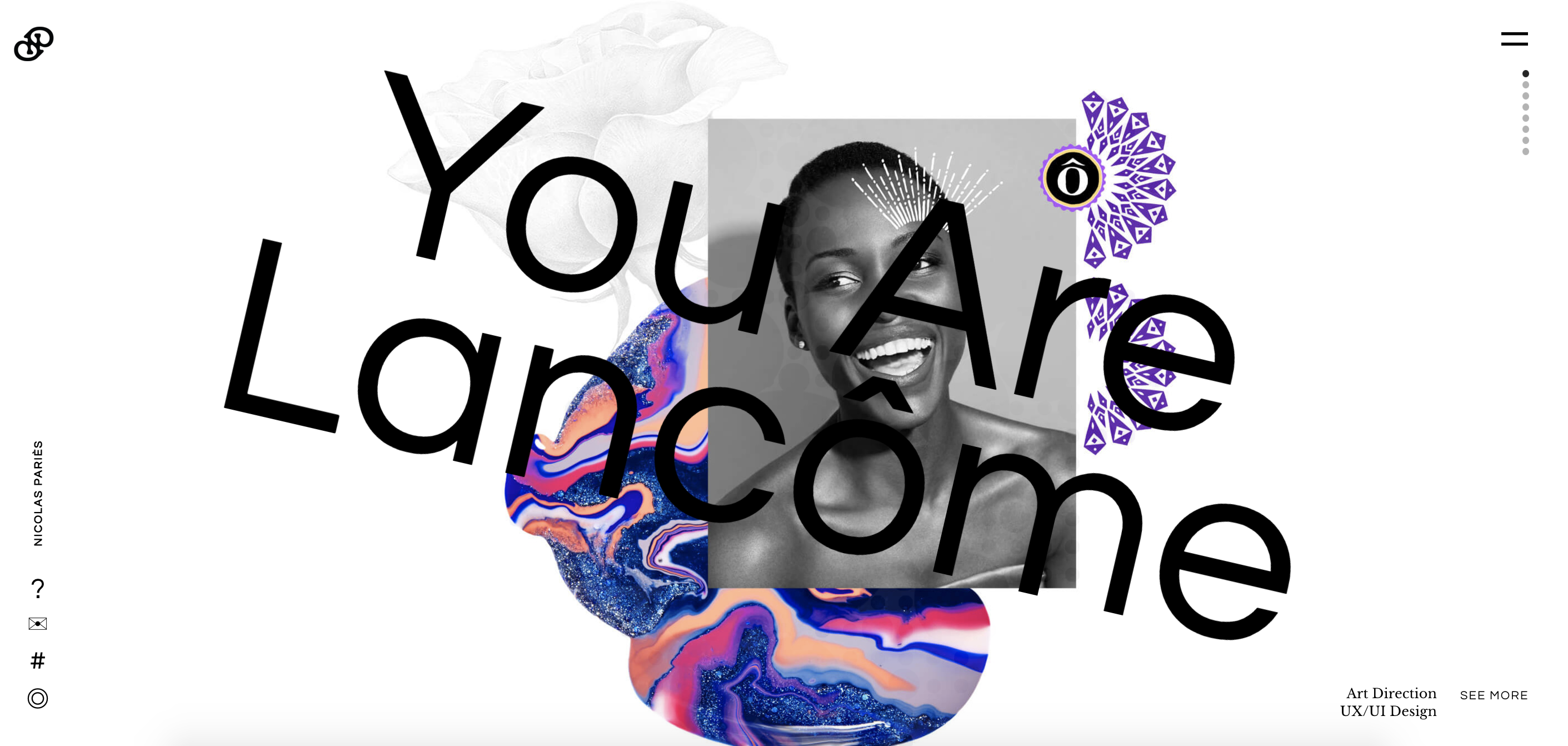
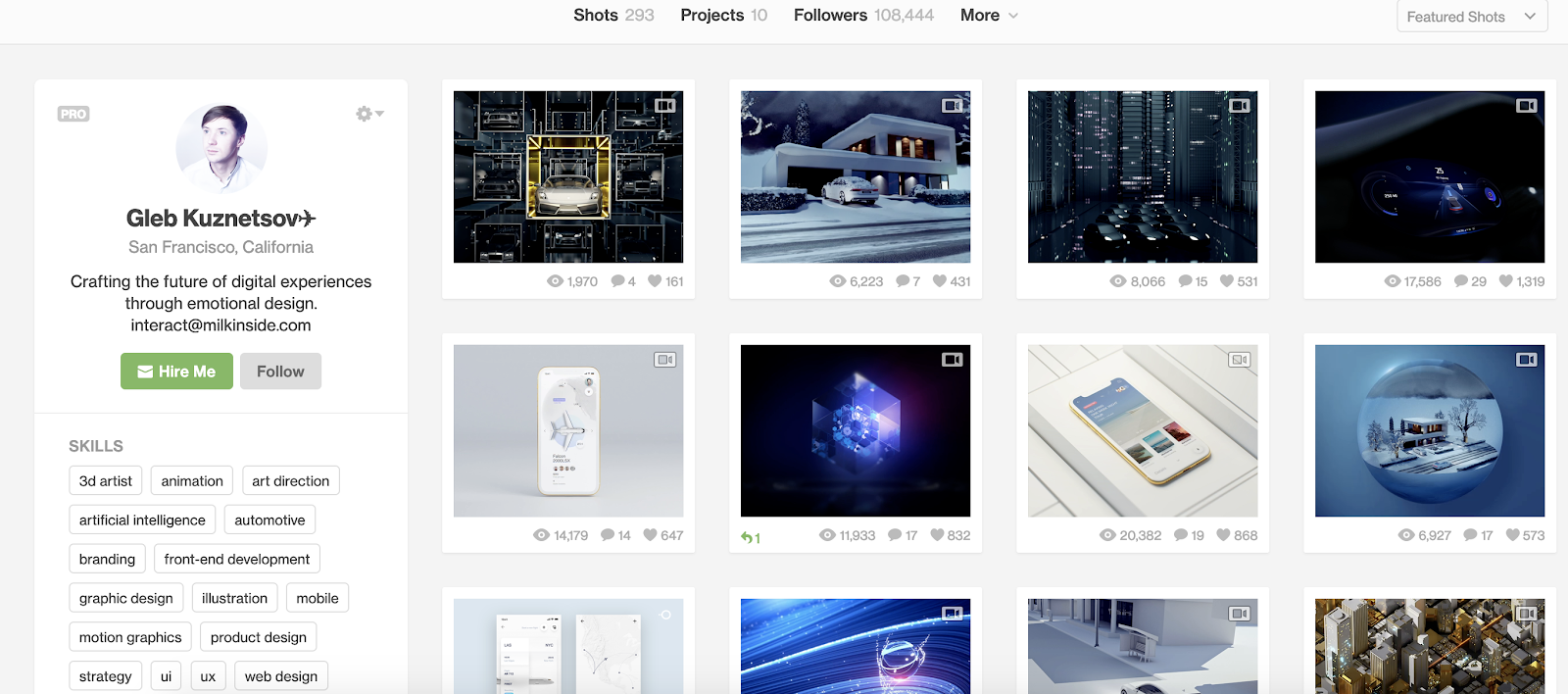
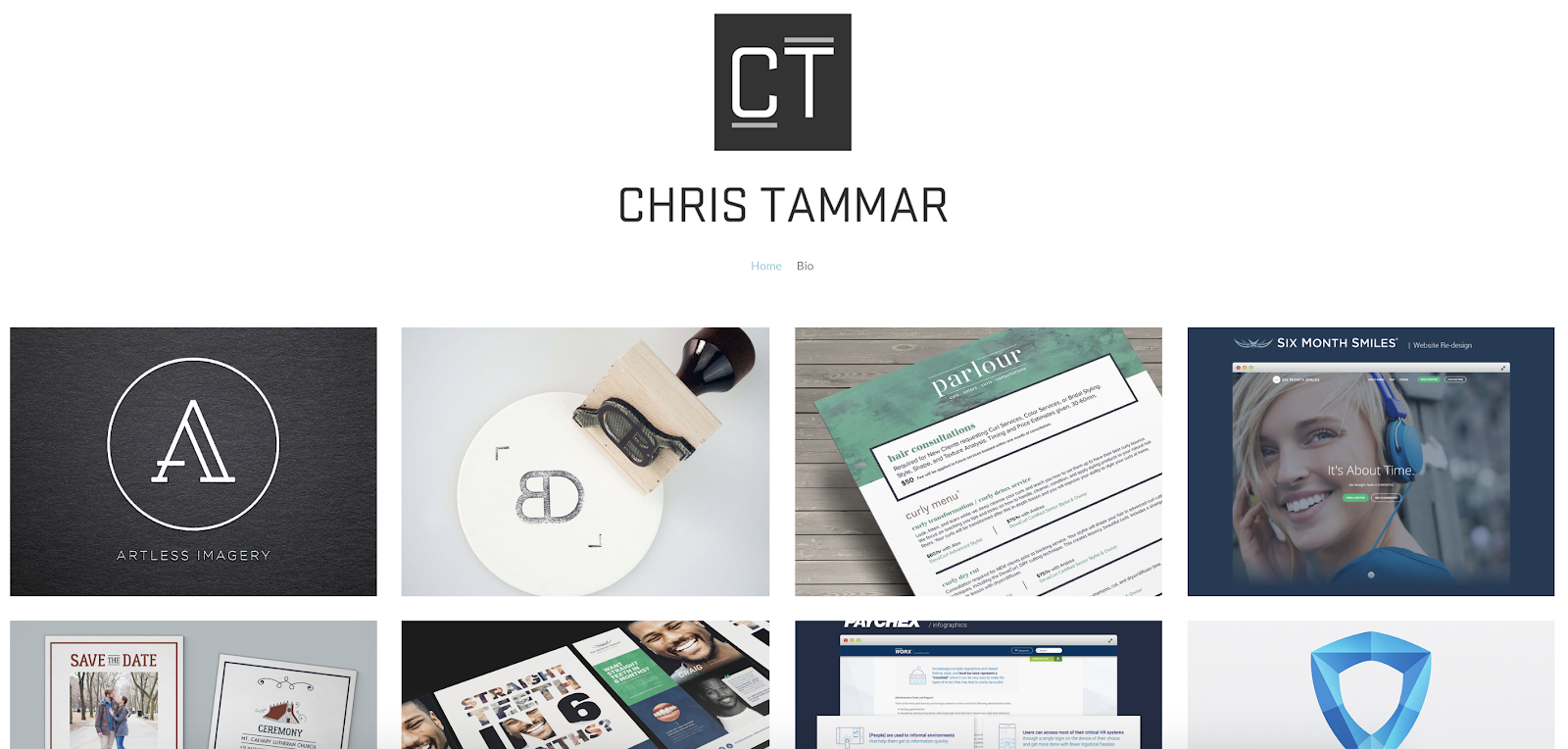
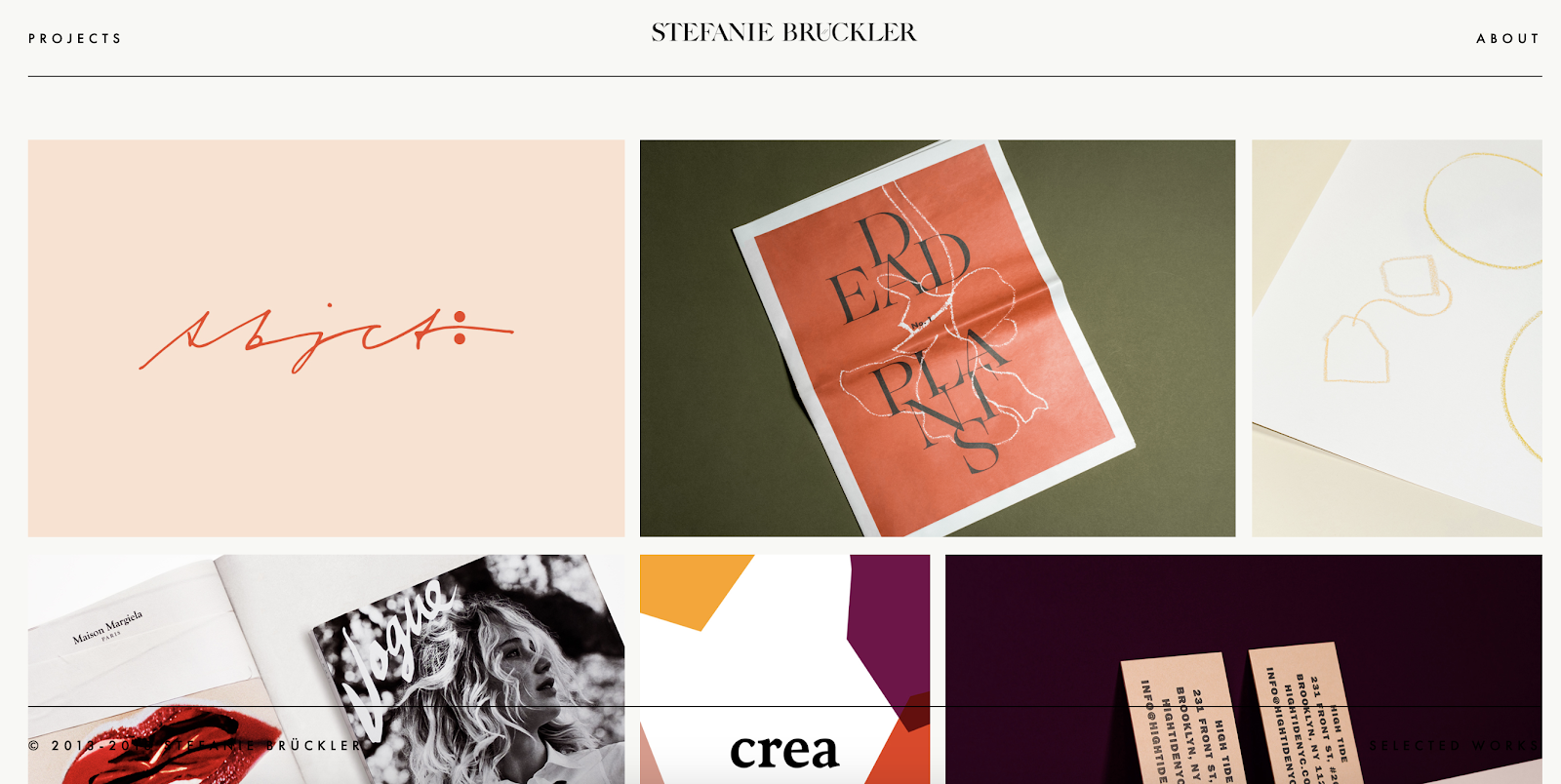
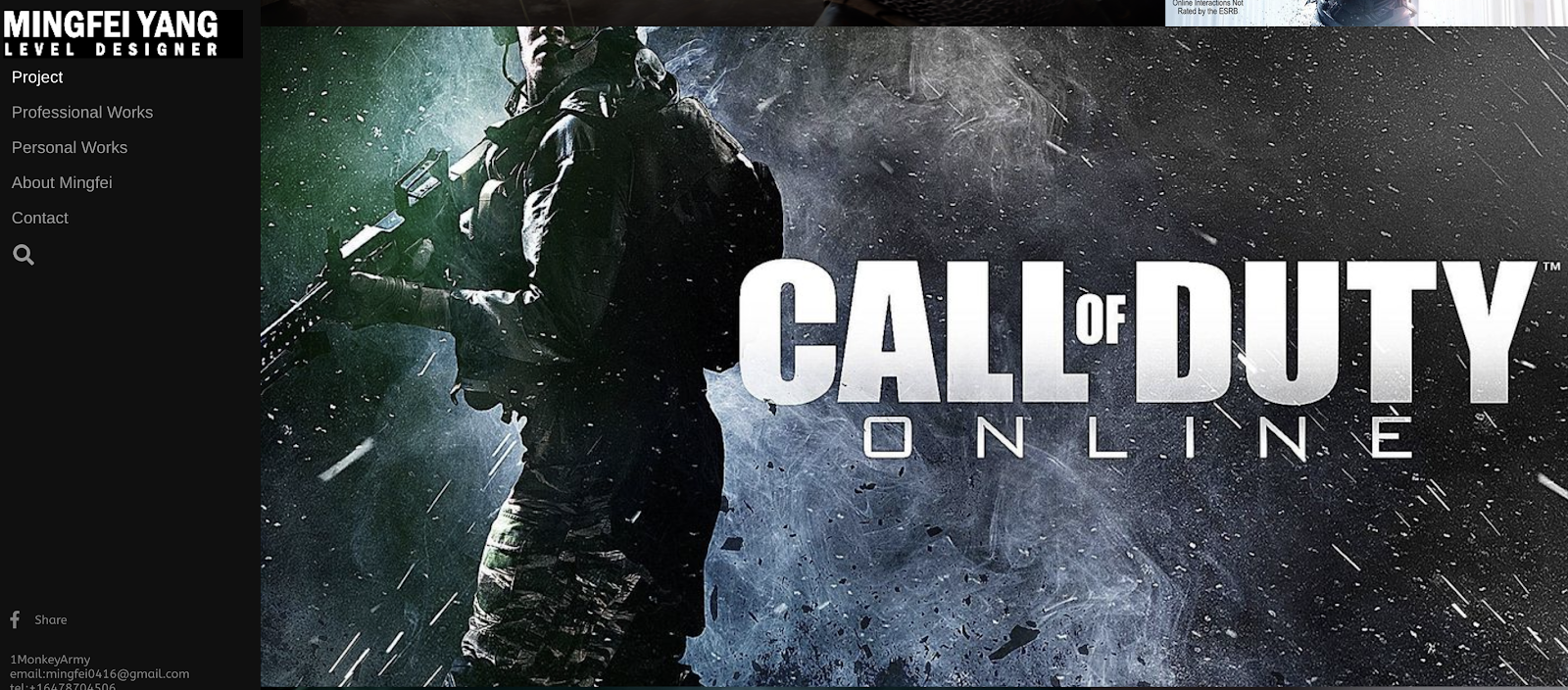
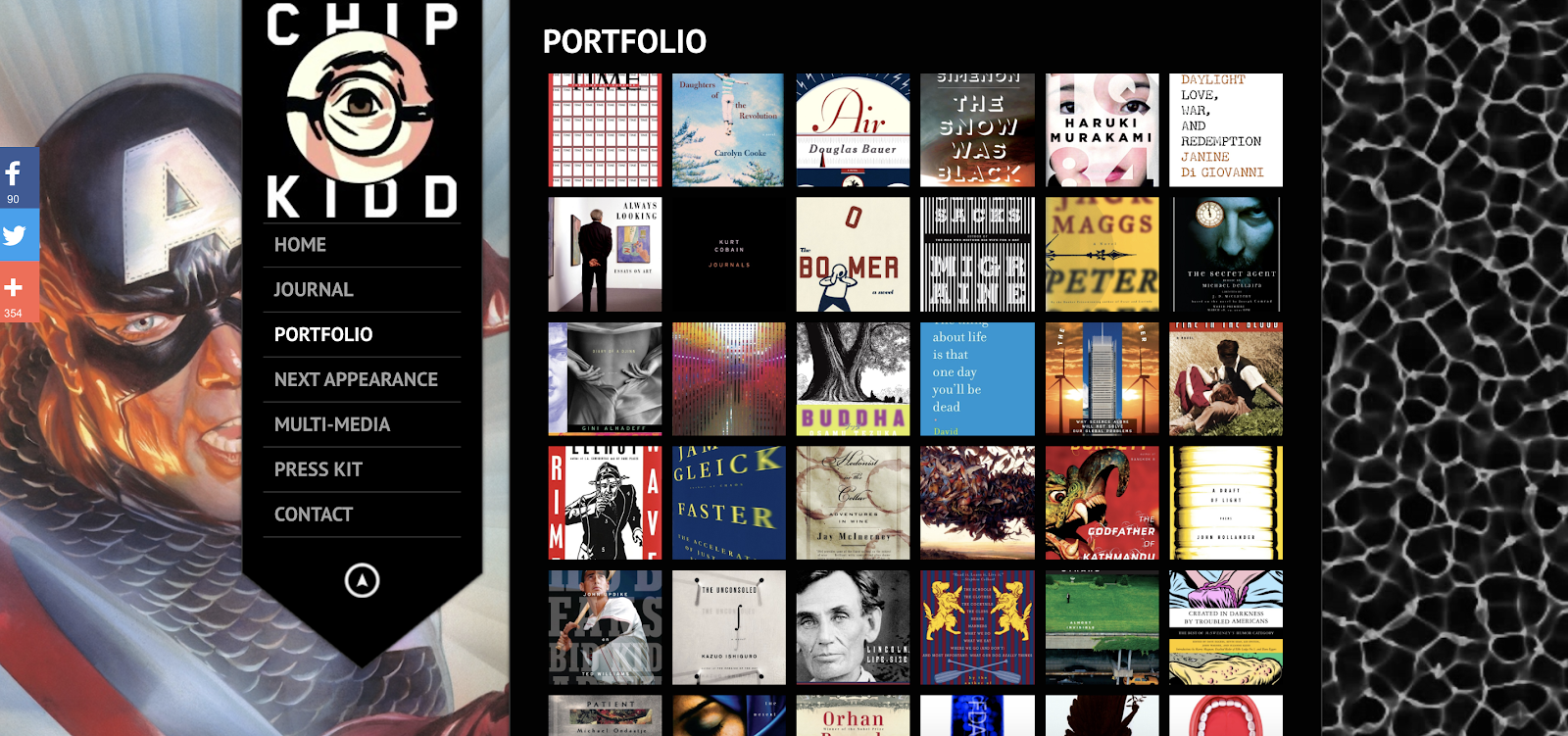
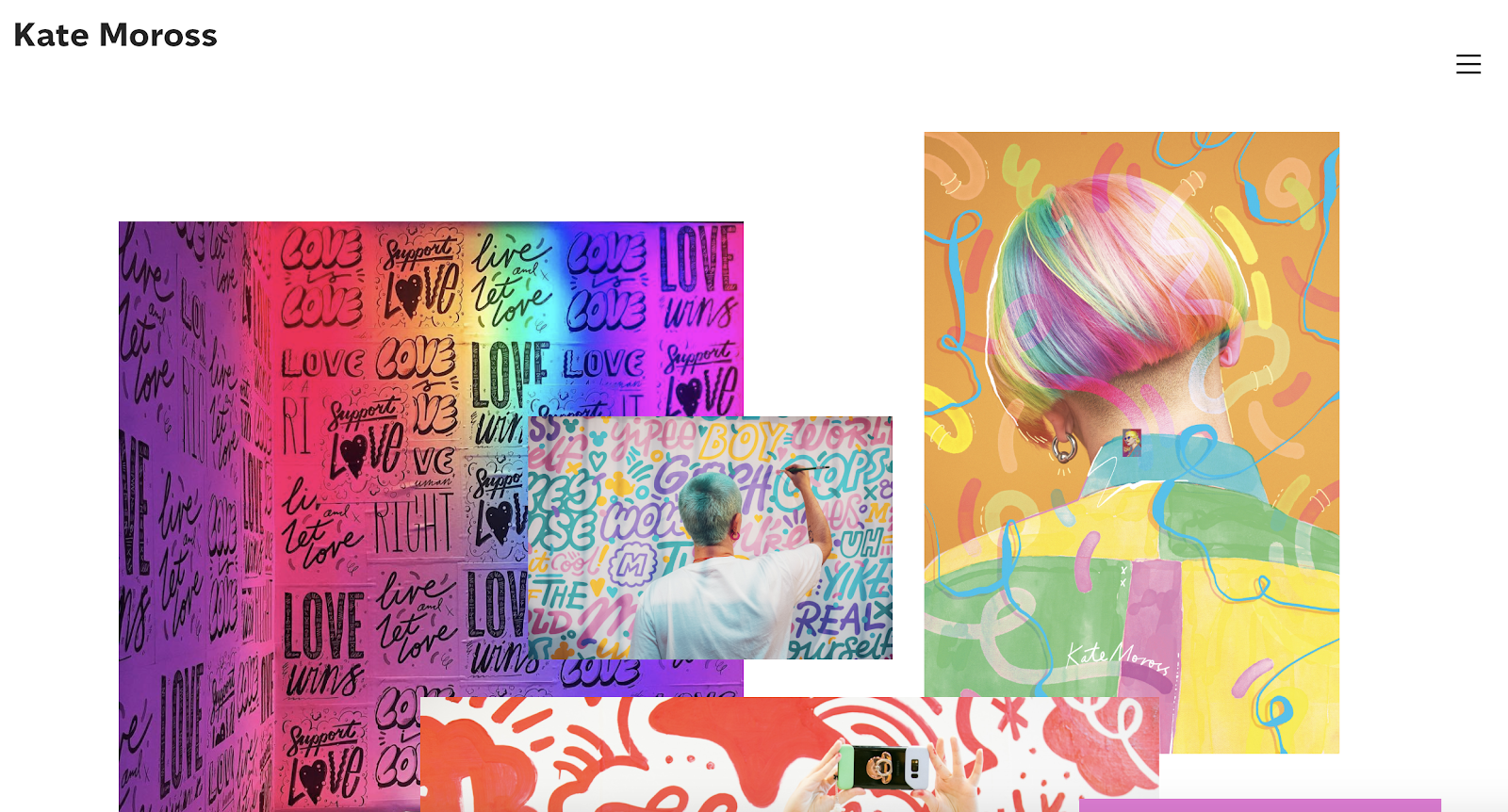
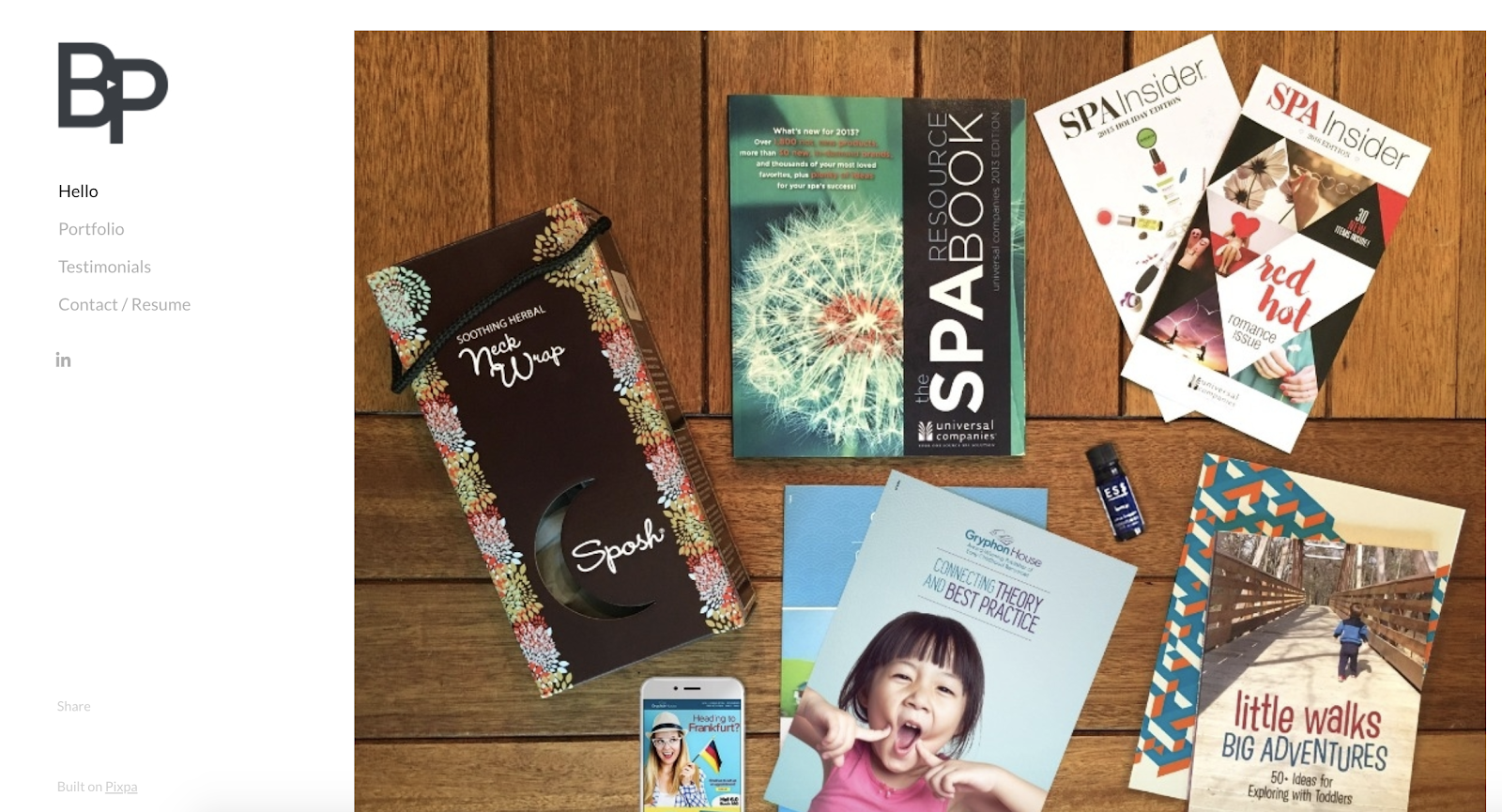
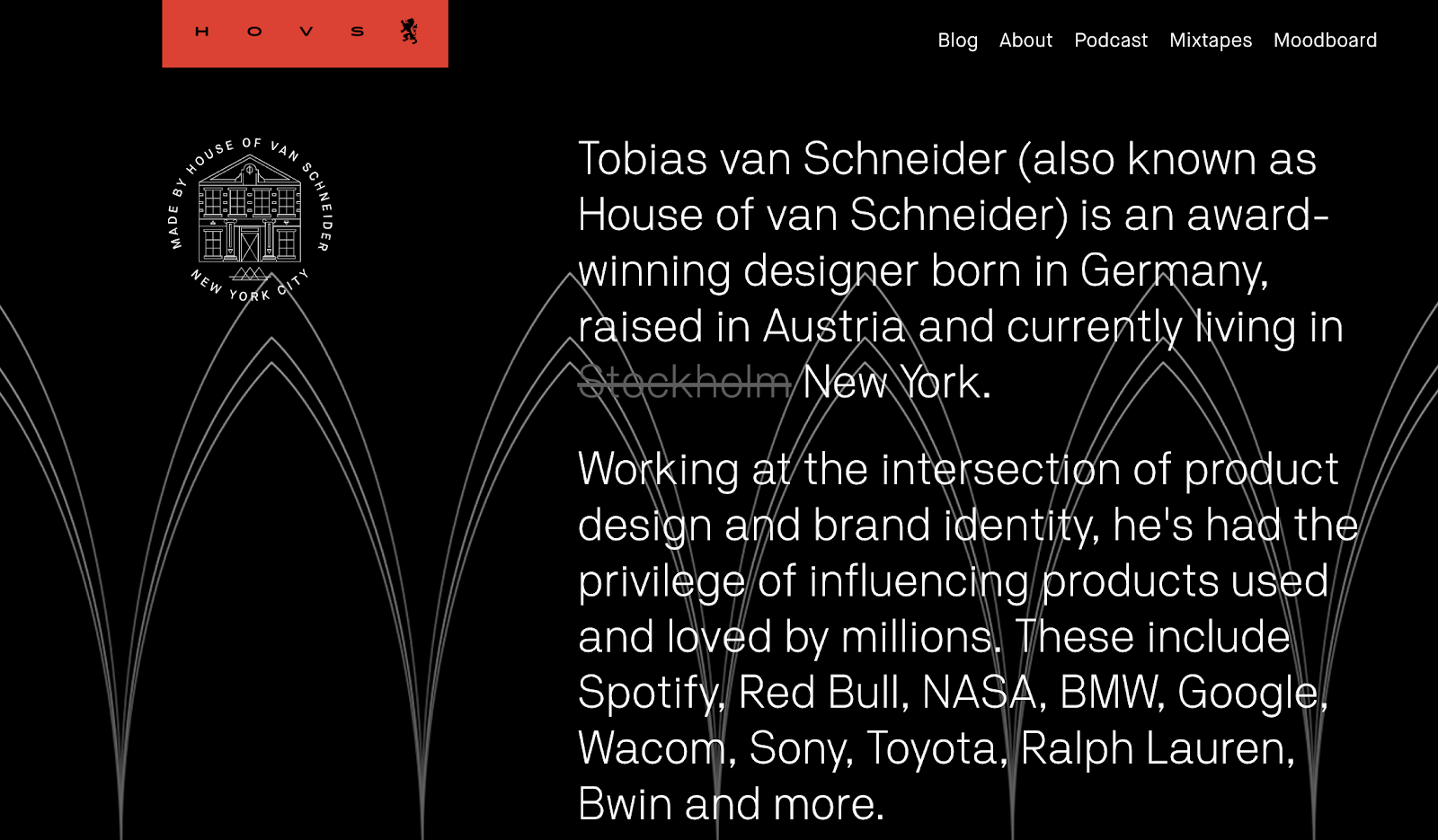
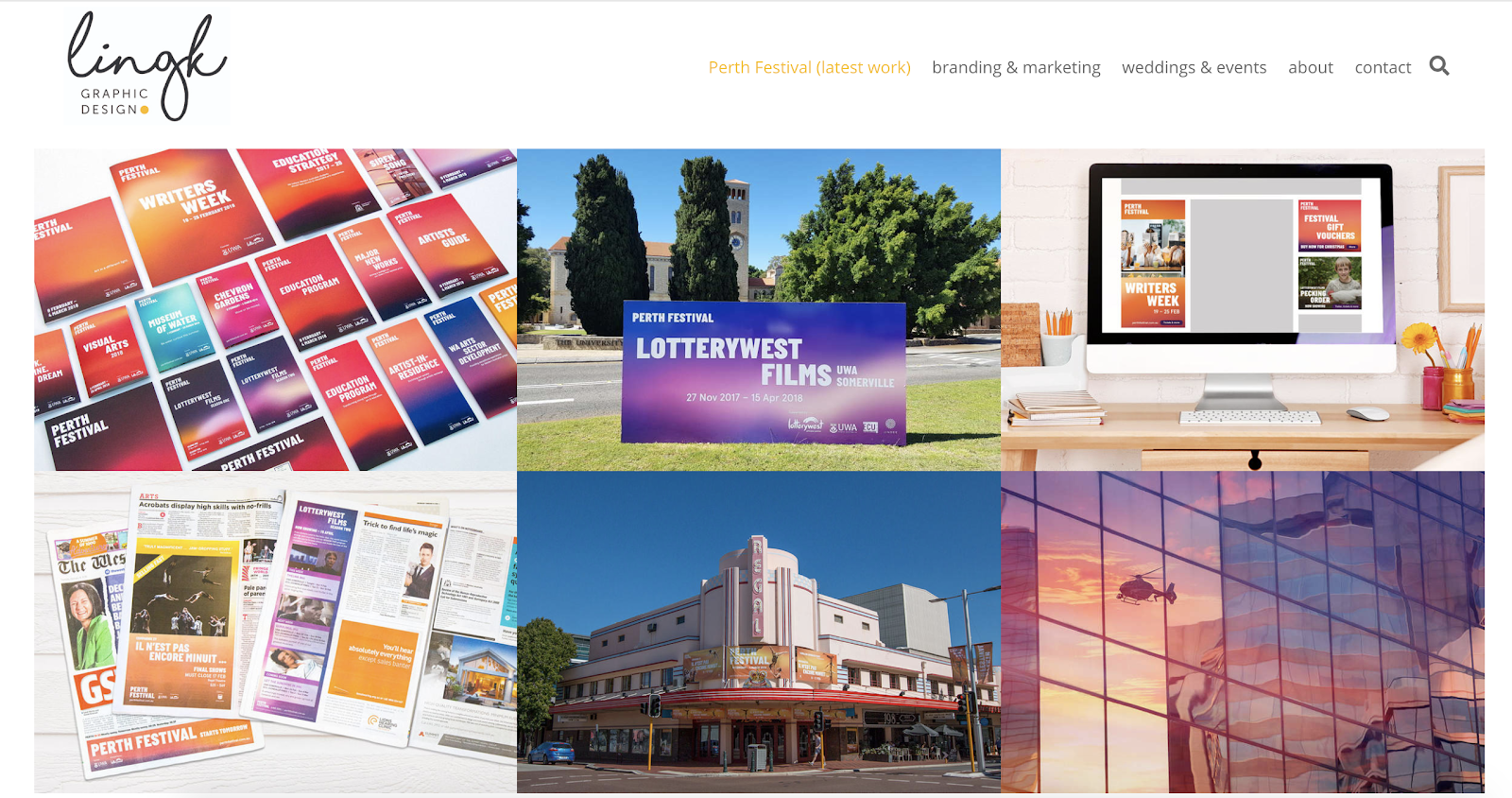
How to make a graphic pattern portfolio
1. Curate your best work, and prove a broad breadth of skill.
2. Cull the right platform to showcase your work.
three. Include a professional case study, or client recommendations.
4. Integrate your personality.
5. Describe the creative process.
6. Show non-client piece of work, or side projects.
Ideas for graphic design portfolio projects
i. Reach out to local businesses or start-ups and ask if they need help with a marketing entrada or packaging materials.
two. Create content for your own personal brand, and ensure that your content is cohesive across all your personal marketing materials.
3. Implement a mock website redesign for a make you lot love.
four. Put together a artistic brief for a simulated website, and create graphic pattern materials for the fictitious company.
5. Design a logo for a brand y'all love.
6. Create a stock theme for WordPress.
7. Participate in a blueprint challenge.
Graphic design portfolio tips

Originally published Oct 19, 2020 7:00:00 AM, updated October 29 2021
Source: https://blog.hubspot.com/marketing/graphic-design-portfolio
0 Response to "what to put in portfolio for advertising beginning"
Enviar um comentário